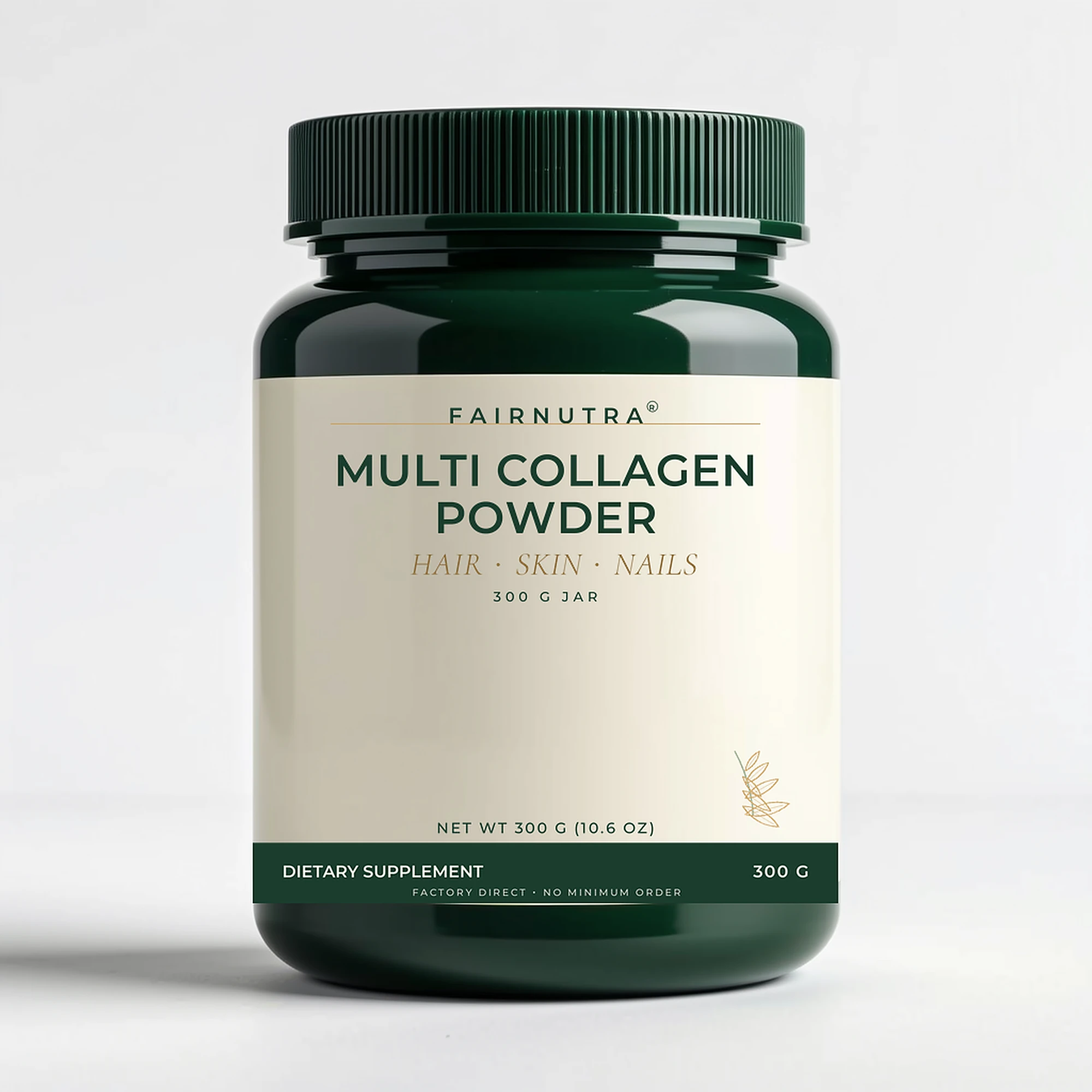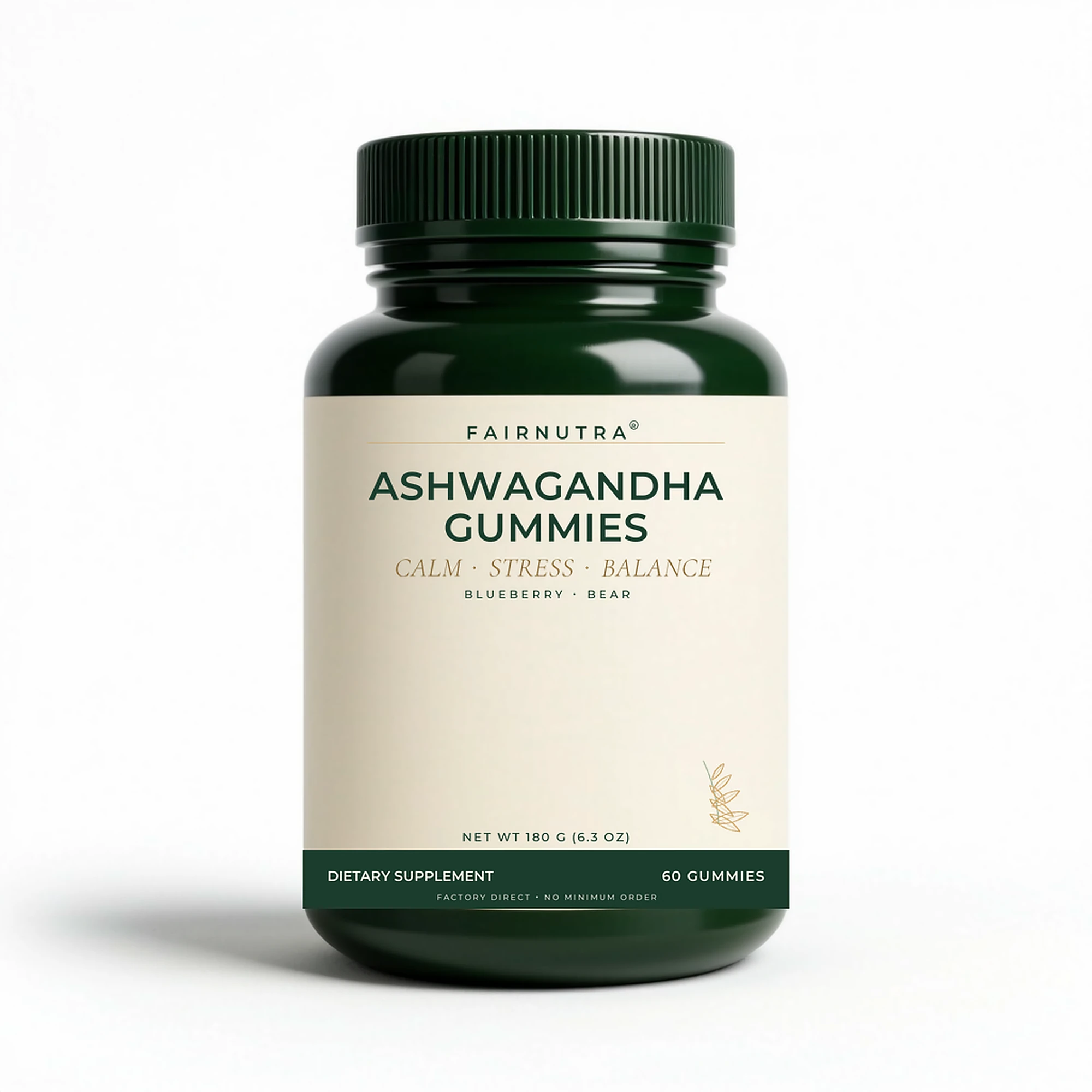
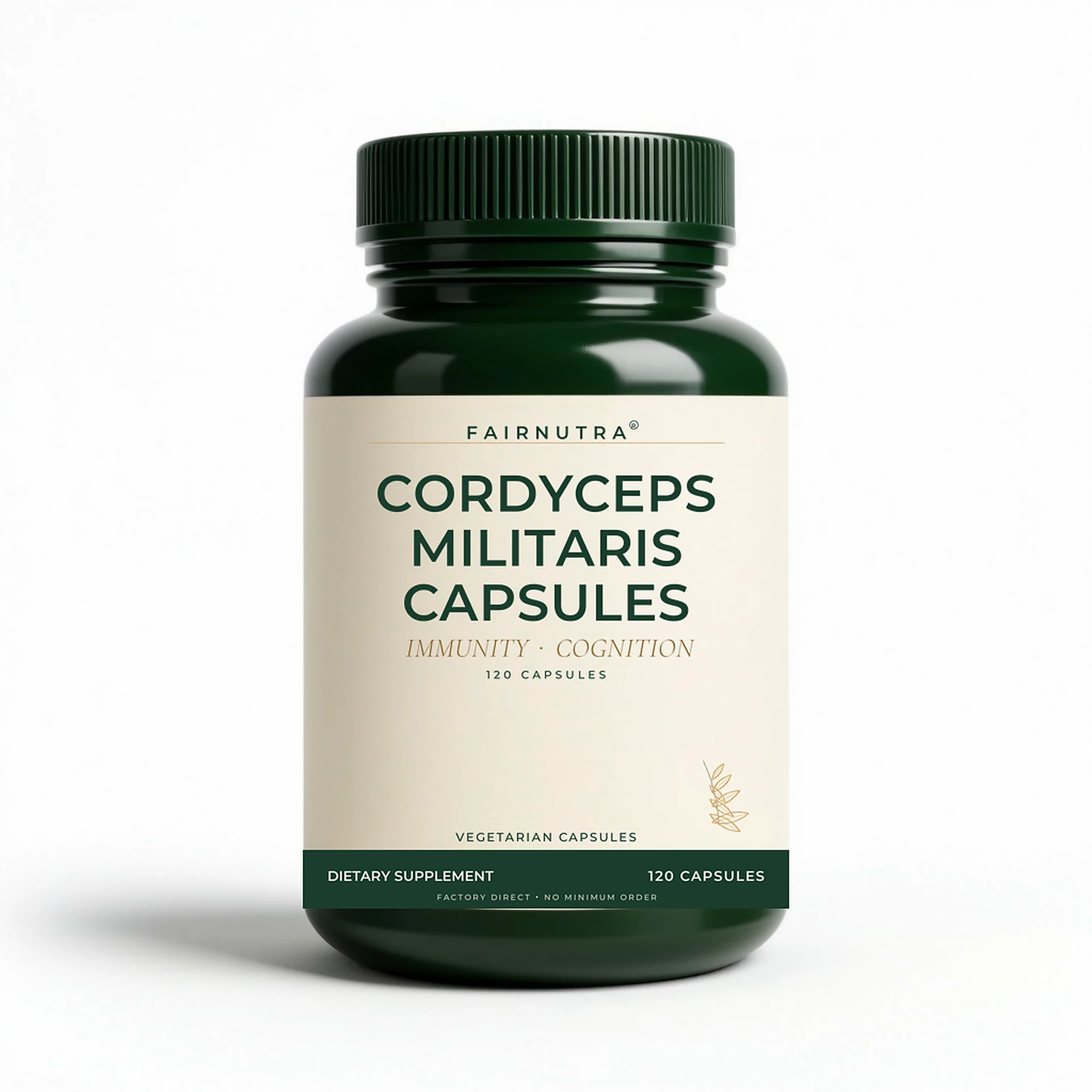
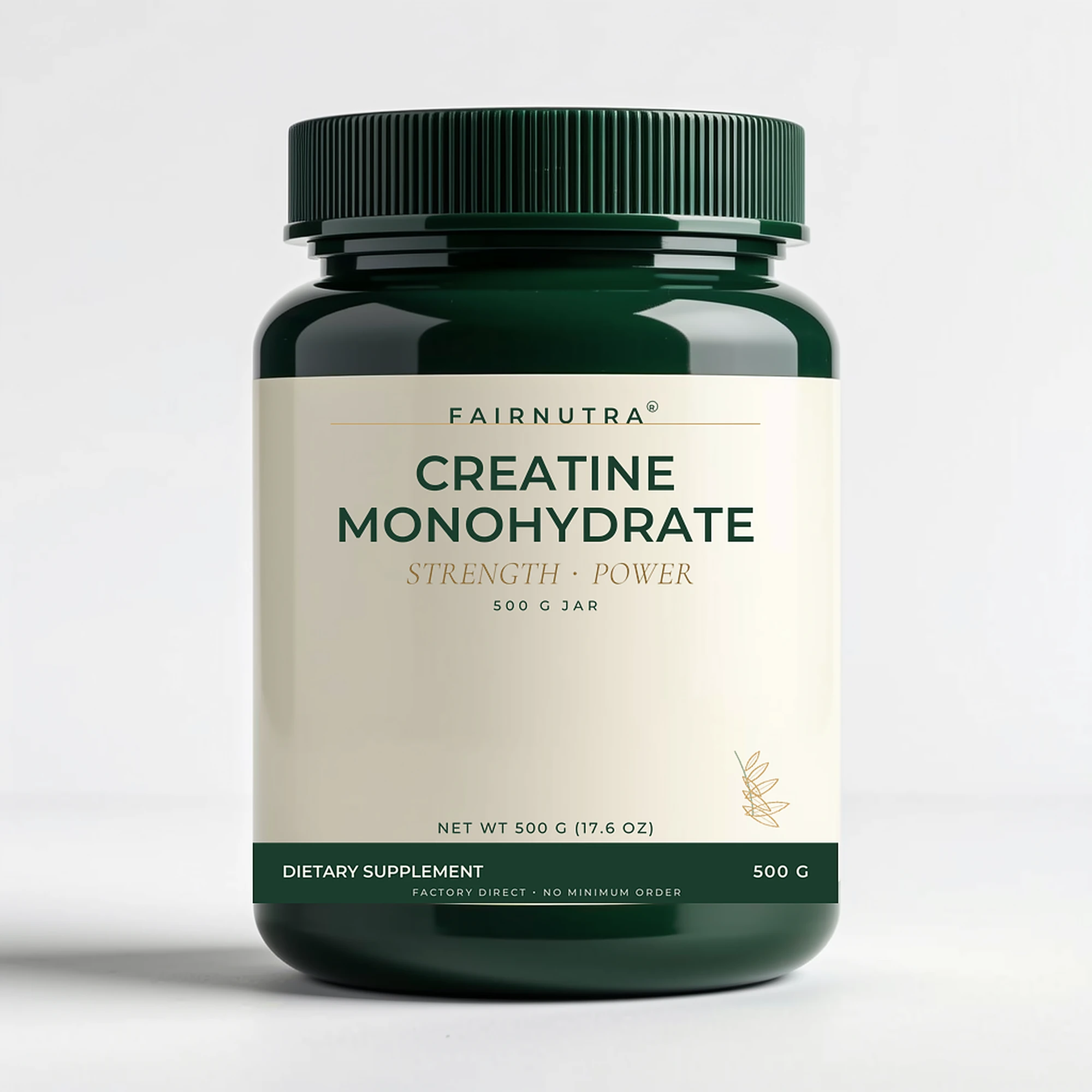
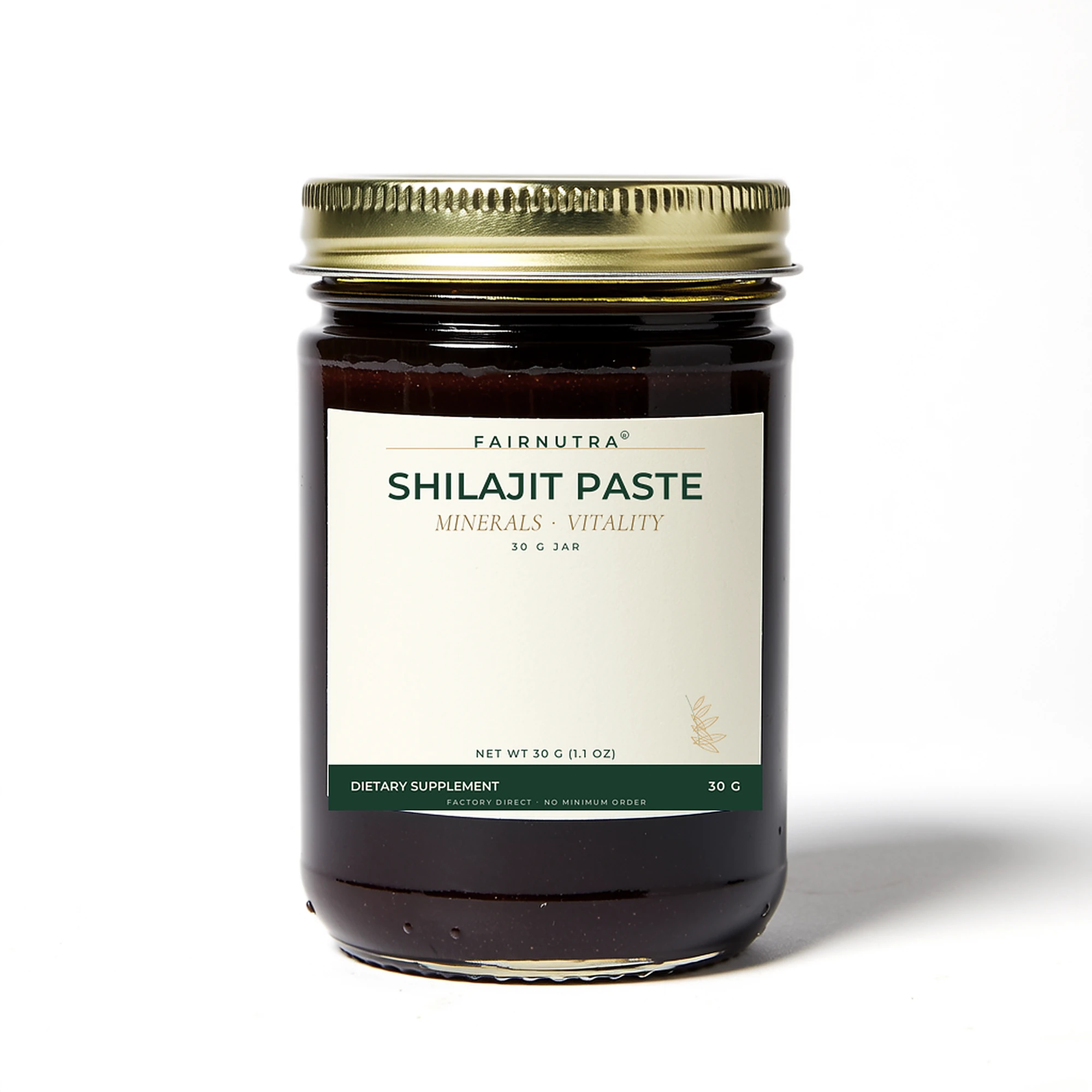
Reading a supplement label: a practical checklist
Serving size, elemental weight, proprietary blends, and certificate of analysis. What to check before you compare two products by price.
Start with the serving size
A bottle that says 60 capsules is not necessarily a 60-day supply. If the serving size is two capsules, it is a 30-day supply. Compare the cost per serving rather than the cost per bottle, especially when the capsule count differs.
Check the form of the ingredient
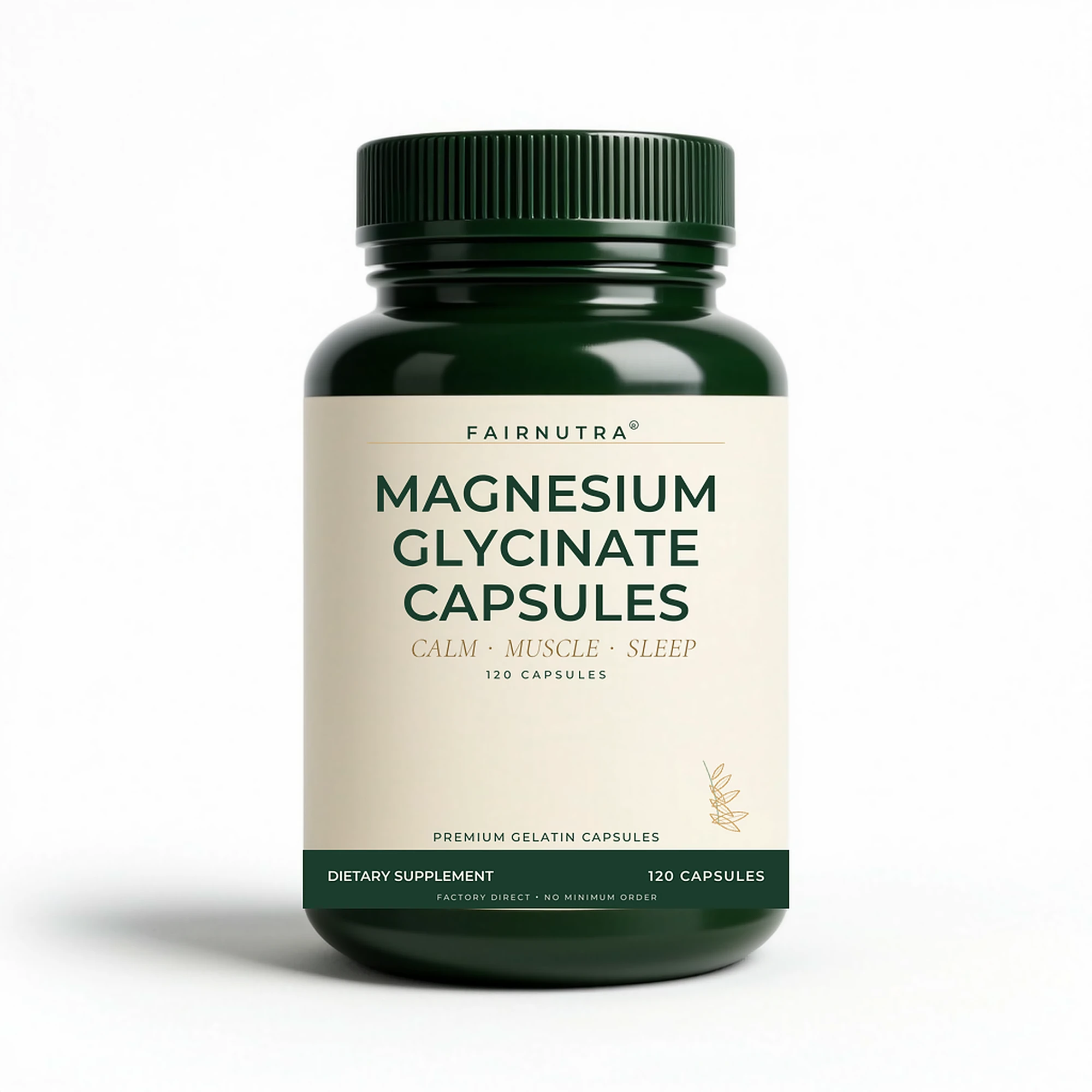
Magnesium glycinate, magnesium oxide, and magnesium citrate are not interchangeable. The compound weight on the label includes the carrier, so 500 mg of magnesium glycinate does not mean 500 mg of elemental magnesium. A good label states the elemental amount or the standardized extract percentage.
The same applies to herbal extracts. A 10:1 extract and a 4:1 extract can carry the same gram weight but very different amounts of the marker compound.
Be careful with proprietary blends
A proprietary blend lists the total weight but not the amount of each ingredient. That makes it impossible to compare against another formula or to know whether the effective ingredient is present at a meaningful dose. It is not automatically bad, but it is a reason to ask for more documentation.
Look for batch documentation
- A certificate of analysis for the batch, not just the raw ingredient
- The specification sheet with fill weight and ingredient percentages
- A clear country of manufacture and expiry or best-by date
- Storage instructions that match the format
- An FDA disclaimer that does not pretend to be an approval
Do not confuse marketing with evidence
Words like clinical, pharmaceutical grade, and doctor formulated are not regulated the same way as a drug approval. They can be accurate, but they are not proof. Look for the ingredient form, the dose, and the documentation behind the claim.
Supplements are not intended to diagnose, treat, cure, or prevent disease. If a label implies otherwise, treat that as a warning sign rather than a feature.
Questions about this topic?
Message the sourcing team on WhatsApp at +86 195 2881 8155 or email xx20230@outlook.com. We answer product and order questions within one business day.